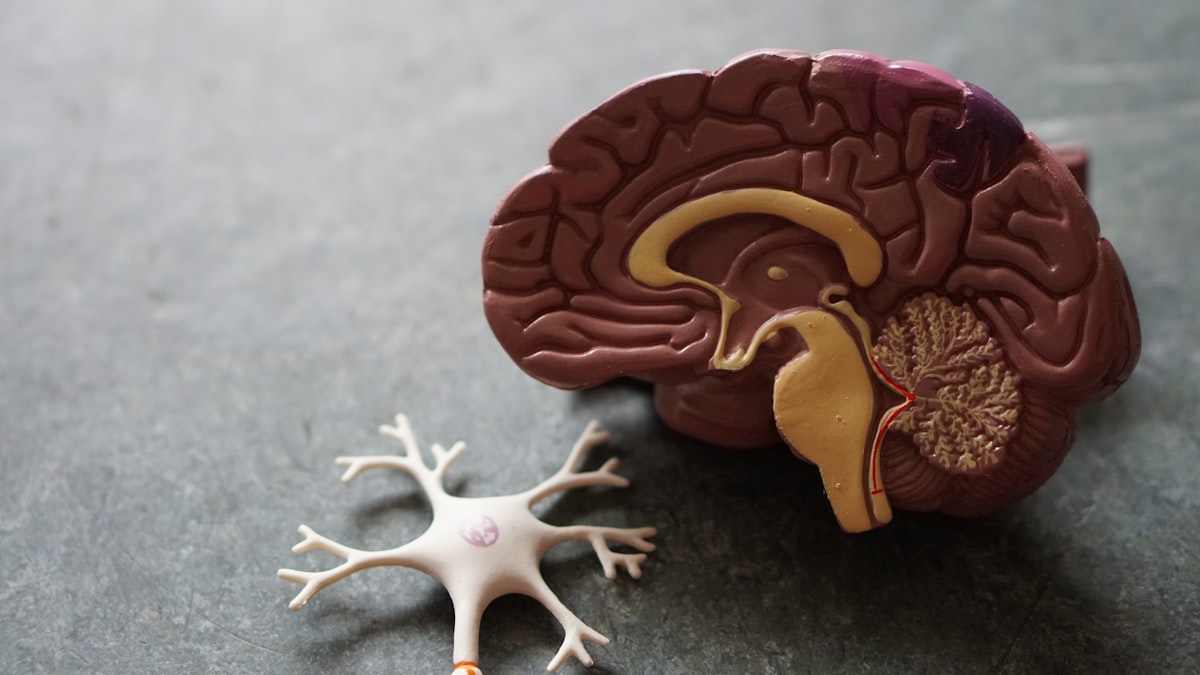
Traumatic brain injuries (TBI) range from mild concussions to catastrophic damage affecting every aspect of life. They are also among the most undervalued and underdiagnosed injury types in personal injury claims — because symptoms are often invisible, delayed, and subjective. Understanding how to identify, document, and pursue a TBI claim in Arizona is essential to receiving the compensation these life-altering injuries deserve.
The Hidden Nature of Brain Injuries
Unlike a broken bone, a brain injury does not always show on imaging. A "negative" CT scan or MRI does not mean no brain injury occurred — mild TBIs often do not appear on standard imaging. Symptoms including headaches, cognitive fog, memory problems, personality changes, light sensitivity, and sleep disruption can all result from a TBI that looks normal on a scan.
This invisibility makes TBI claims targets for insurance company skepticism. "There's nothing on the MRI" becomes a tool to dismiss legitimate neurological injuries. Overcoming this requires specialized medical evaluation and documentation beyond standard emergency imaging.
Getting the Right Medical Evaluation
A general emergency room evaluation is the starting point, not the complete answer. For suspected TBI — any head impact, any loss of consciousness, any period of altered awareness, or any post-accident cognitive symptoms — you need:
- Neurological examination by a neurologist specializing in brain injury
- Neuropsychological testing — formal cognitive testing that documents memory, processing speed, attention, and executive function deficits
- Advanced imaging if available: functional MRI (fMRI), diffusion tensor imaging (DTI), or PET scans may reveal injury that standard MRI misses
- Ongoing symptom documentation through a detailed daily journal — specific, dated entries about headaches, cognitive difficulties, emotional changes, and activity limitations
What TBI Claims Are Worth in Arizona
The value of a TBI claim depends almost entirely on the severity and permanence of the injury. Mild TBI with full recovery: $50,000–$200,000. Moderate TBI with permanent cognitive deficits affecting work and relationships: $200,000–$750,000. Severe TBI requiring long-term care or resulting in permanent disability: $1,000,000–$5,000,000+. The key to maximizing value is comprehensive documentation of how the injury has changed the victim's life.
Insurance Company Tactics in TBI Cases
Because TBIs are often invisible on standard imaging, insurers aggressively challenge them. Common tactics include: demanding proof of structural injury that standard imaging cannot show, arguing that post-concussion syndrome is temporary or pre-existing, hiring neuropsychologists who perform brief evaluations designed to minimize findings, and characterizing cognitive symptoms as anxiety or depression unrelated to the accident.
Countering these tactics requires your own neurological experts, comprehensive testing results, lay witness testimony from family and coworkers about changes in the victim's behavior and function, and a vocational expert if the TBI affects earning capacity.
Frequently Asked Questions
What if I did not lose consciousness — can I still have a TBI?
Absolutely. Loss of consciousness is not required for a traumatic brain injury diagnosis. Any alteration of consciousness — feeling "dazed," confused, or not yourself at the time of impact — combined with subsequent symptoms is sufficient for a clinical TBI diagnosis. Most mild TBIs do not involve loss of consciousness.
How long do TBI symptoms typically last?
Mild TBIs often resolve within weeks to months. However, post-concussion syndrome — persistent symptoms lasting more than three months — occurs in a significant percentage of cases. Moderate to severe TBIs may produce permanent neurological changes. Your attorney should not settle a TBI case until the prognosis for recovery is clearly established.
Can children recover more for TBIs than adults?
Often yes. A TBI that occurs in a developing brain — with decades of cognitive, educational, and career impact ahead — justifies substantially higher damages than the same injury to someone near retirement. Pediatric TBI cases require specific expert testimony about developmental impact and lifetime economic consequences.
What if my employer claims I have cognitive problems unrelated to the accident?
Pre-accident employment records — performance reviews, productivity records, attendance — compared to post-accident records are powerful evidence of TBI-related work impairment. A vocational expert can testify about how the documented cognitive deficits affect earning capacity.
How do I pay for all the specialist evaluations a TBI case requires?
Most personal injury attorneys advance the costs of expert evaluations and are reimbursed from the settlement proceeds. You should not be asked to pay upfront for neurological experts, neuropsychological testing, or vocational analysis needed to build your case. These costs are recoverable as part of your damages.
Injured in Arizona? Get a Free Case Review Today
Navigating a personal injury claim alone — especially against a well-funded insurance company — is difficult. Attorney Alec Caruso spent years on the inside defending insurance companies before switching sides to fight for Arizona injury victims. That insider knowledge is what he brings to every case.
Call Caruso Injury Law 24/7 at (602) 247-8600, or request your free case review online. You pay nothing unless we win.
This article was written and reviewed by Alec J. Caruso, Esq., licensed Arizona personal injury attorney.